The Importance of Volunteer Roles in Neighborhood Events
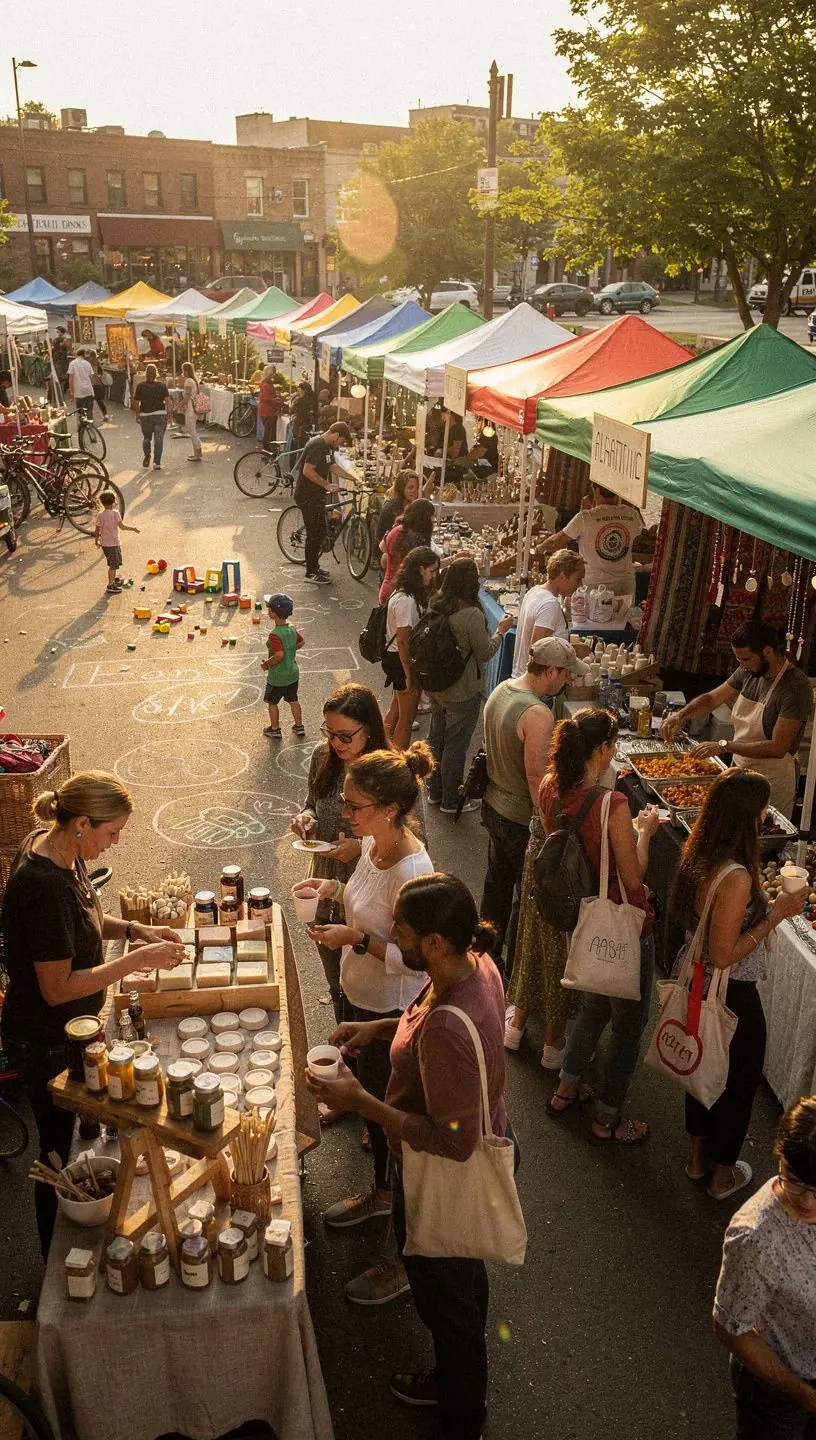
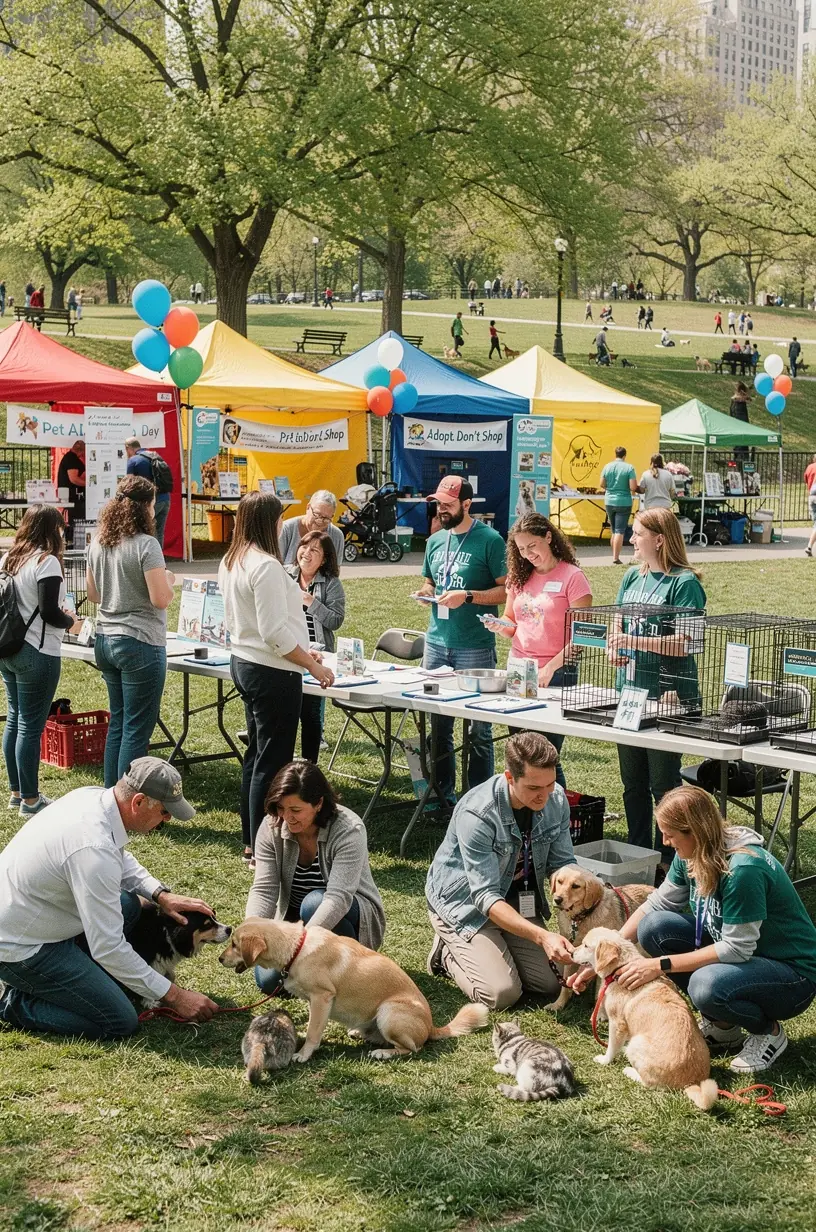
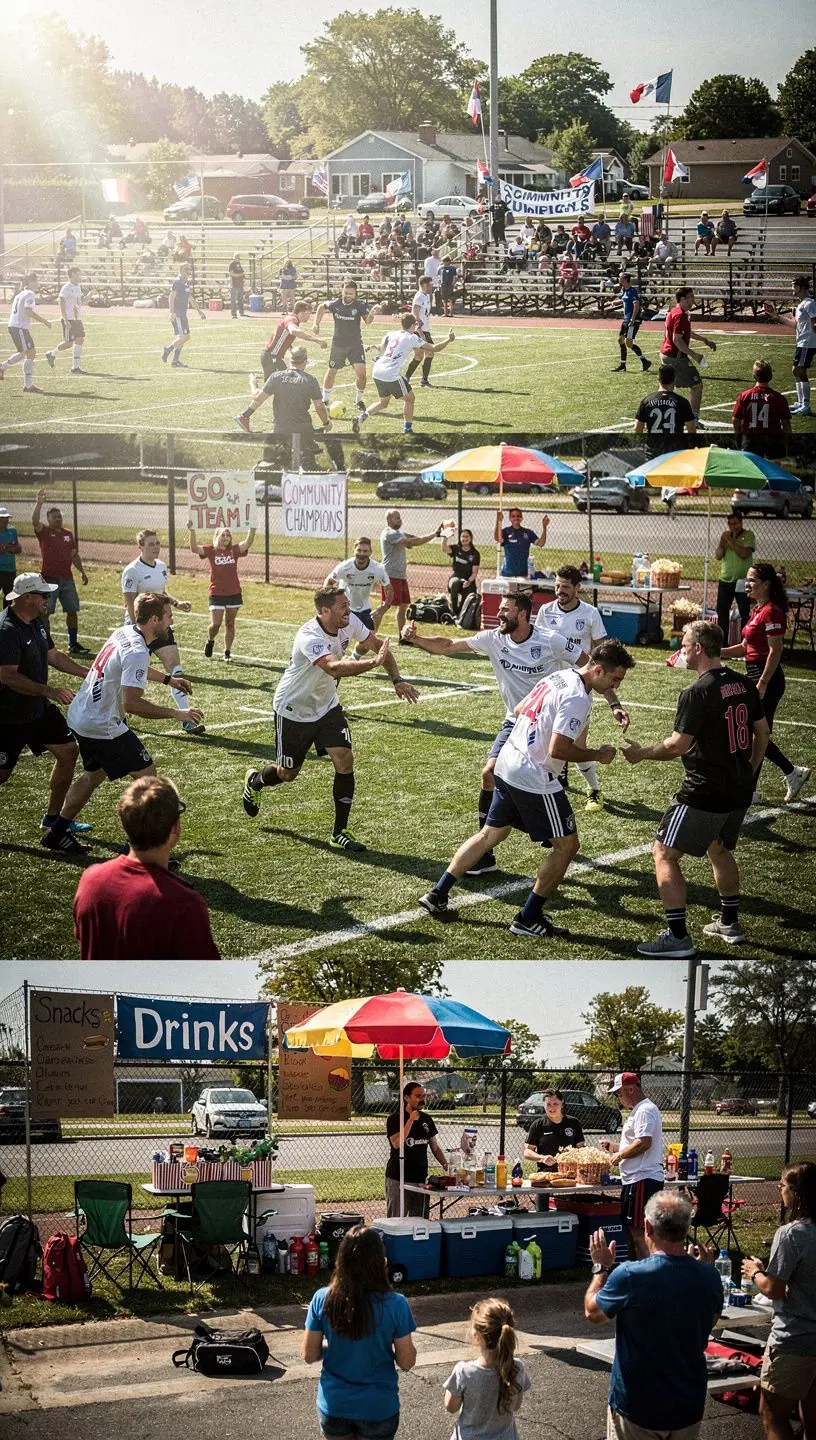
Neighborhood events often rely on the dedication of volunteers to create memorable experiences for the community. Understanding the significance of these volunteer roles is crucial to fostering a vibrant and engaged local environment.
Understanding the Role of Volunteers
Volunteers typically play a vital role in the success of neighborhood events, such as music sessions, game nights, and social activities. According to research conducted by the Corporation for National and Community Service, volunteer involvement can significantly enhance community engagement and cohesion.
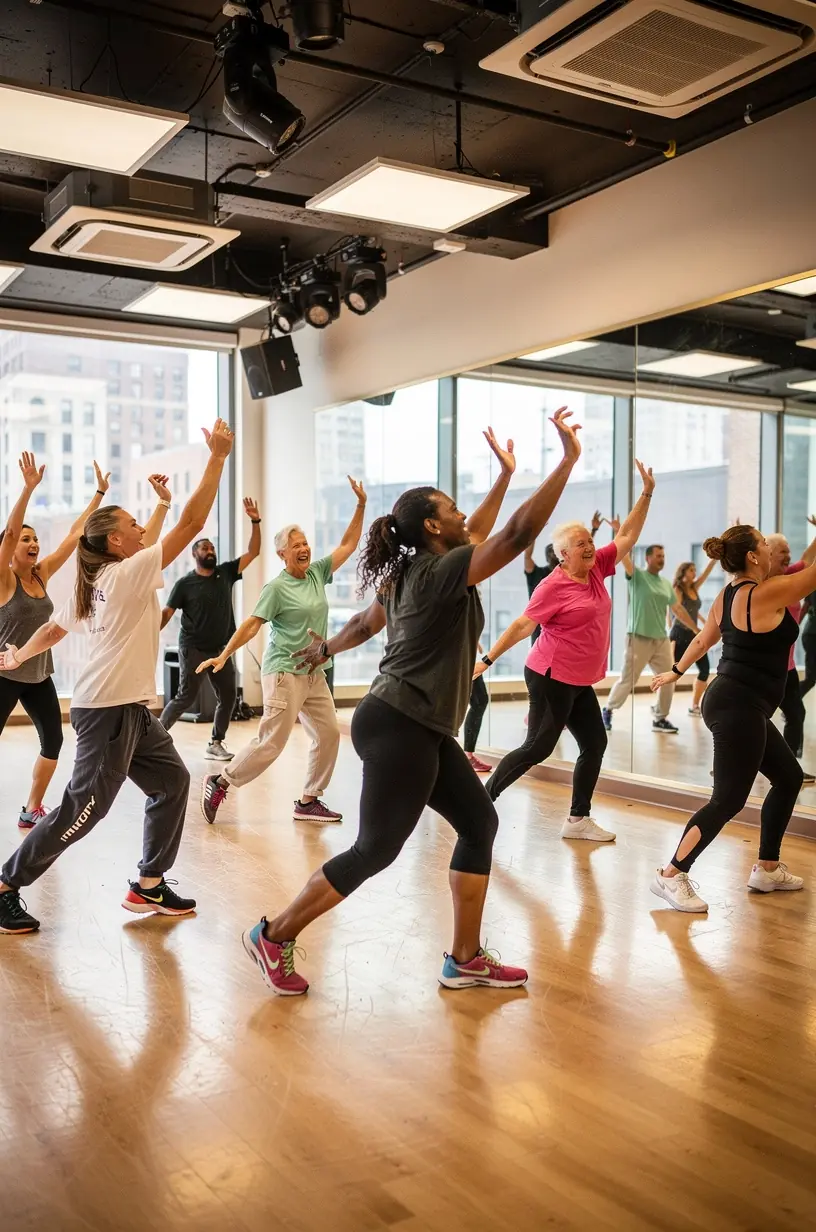
"Communities that embrace volunteerism often report a stronger sense of belonging and increased participation in local activities."
Why Volunteer Roles Matter
There are several reasons why volunteer roles are essential for neighborhood events:
- Resource Management: Volunteers help manage resources effectively, ensuring that events run smoothly. Many organizations face budget constraints, so volunteer support is often critical.
- Building Community: Engaging volunteers fosters social connections. Studies show that strong social ties can lead to improved mental health and well-being.
- Skill Development: Volunteers gain valuable experience, enhancing their skills and potentially leading to career advancement. This mutual benefit creates a culture of learning within the community.
Types of Volunteer Roles
Volunteer roles can vary widely, each contributing uniquely to the success of neighborhood events. Common roles include:
- Event Coordinators: Responsible for planning and executing events, ensuring that all details are addressed.
- Set-Up and Tear-Down Crews: Assist in preparing the venue before the event and cleaning up afterward, making logistics more manageable.
- Promoters: Help raise awareness of the event through social media and community outreach, which can significantly increase attendance.
Challenges and Considerations
While volunteering offers numerous benefits, it is essential to acknowledge the challenges involved:
- Volunteering requires a time commitment, often necessitating several hours of training and preparation in advance of the event.
- Individuals must balance their volunteer responsibilities with personal and professional commitments, which can be a source of stress.
- Not all volunteers may have the necessary skills; thus, effective training and orientation are crucial for maximizing their contributions.
How to Get Involved
Getting involved as a volunteer in neighborhood events can be a rewarding experience. Here are some practical steps to consider:
- Research local organizations and events to find opportunities that align with your interests and skills.
- Reach out to event organizers to discuss how you can contribute, either through direct assistance or by promoting the events.
- Be prepared to commit time and effort, as successful volunteering typically involves participating in training sessions and pre-event planning.
Conclusion
Volunteers are the backbone of successful neighborhood events, bringing not only their time and talents but also their passion for community engagement. While the commitment can be substantial, the rewards—both personal and communal—are often worth the effort. By understanding and appreciating the importance of volunteer roles, we can foster a more vibrant, connected, and thriving neighborhood.
Explore More