The Role of Social Media in Community Event Promotion
In an era where digital connectivity reigns supreme, social media has emerged as a powerful tool for promoting community events. This article explores how social media can effectively enhance the visibility and engagement of local activities, such as music sessions and game nights, while providing realistic insights into implementation.
Understanding the Basics
Social media platforms, such as Facebook, Instagram, and Twitter, serve as indispensable channels for community event promotion. According to research by Eventbrite, 95% of event creators use social media to promote their events. This statistic illustrates the importance of these platforms in reaching a wider audience.
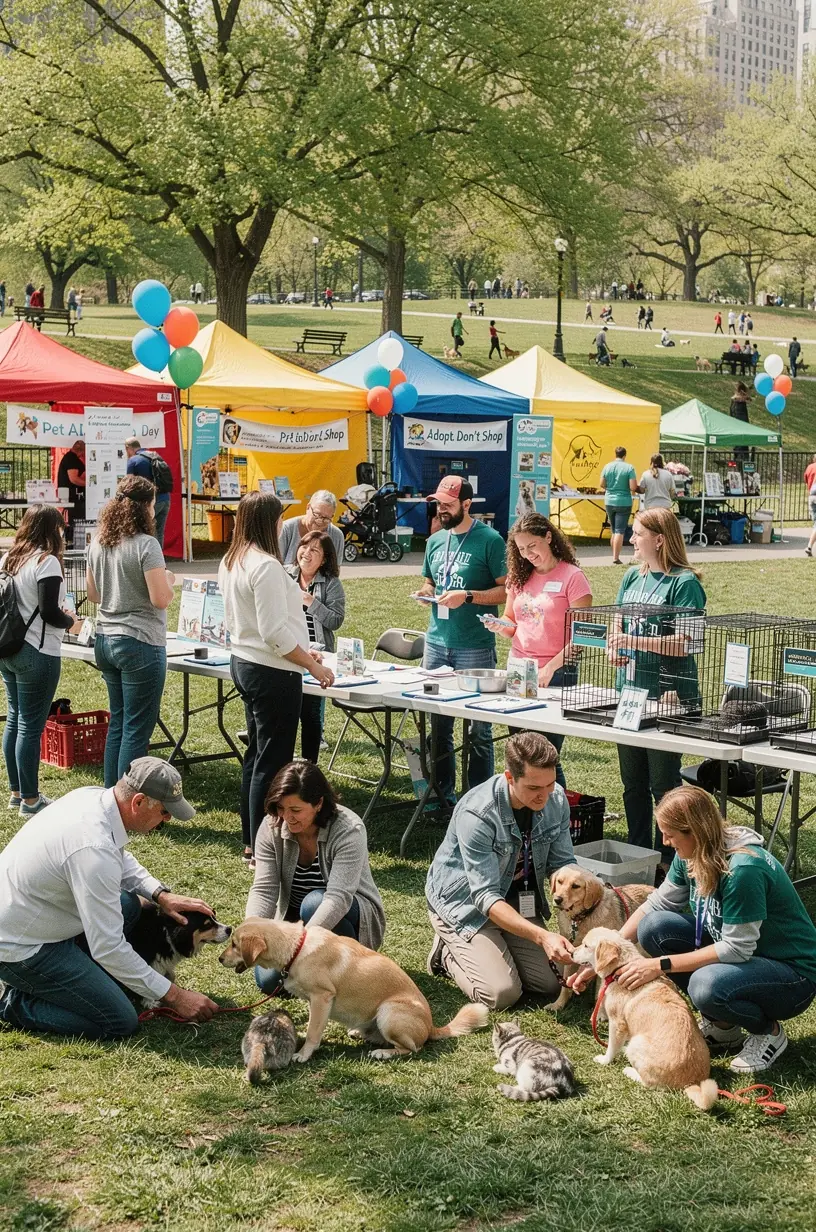
"Using social media can boost event attendance by up to 20%, according to industry reports."
Effective Strategies for Promotion
Implementing a successful social media strategy involves understanding your audience and leveraging the right tools. Here are some effective approaches:
- Create Engaging Content: Visual content, such as photos and videos, typically garners more attention than plain text. Studies show that posts with images receive 94% more views than those without.
- Utilize Event Pages: Platforms like Facebook allow users to create dedicated event pages, which can centralize information and enable easy RSVPs. This method often leads to higher engagement rates.
- Encourage Sharing: Many users report that social media friends and followers influence their decisions to attend events. Encouraging attendees to share event details can organically expand reach.
Building Community Engagement
Engagement with your audience is key. The principle behind using social media effectively lies in fostering a sense of community. This typically involves:
- Consistent Posting: Regular updates about events keep your audience informed and interested. However, it's important to space out posts to avoid overwhelming followers.
- Interactive Content: Polls and Q&A sessions can create a dialogue with your audience, making them feel involved and valued. This approach has been shown to increase community participation.
- Feedback Mechanisms: Gathering feedback post-event can provide valuable insights for improvement and can help tailor future events more closely to community interests.
Challenges and Considerations
While social media is a powerful tool, it does come with its challenges. Promoting events through these platforms requires a clear strategy, consistency, and time:
- Building a following often takes time and dedication; typically, it requires several months of consistent engagement to see significant growth.
- Content creation can involve a learning curve, especially for those unfamiliar with digital marketing; many users benefit from exploring online resources or workshops.
- Not all platforms will be suitable for every type of event; it's important to assess which social media networks align best with your community's demographics.
Conclusion
In summary, social media can be an effective tool for promoting community events, but it requires thoughtful planning and execution. By creating engaging content and fostering real connections, organizers can enhance participation and build a stronger community. Remember that results often come with time and effort, so patience and persistence are essential.