Exploring Cultural Diversity Through Neighborhood Events
Neighborhood events serve as a vibrant platform for cultural exchange, allowing residents to celebrate their unique heritages while engaging with diverse communities. This article delves into how these gatherings foster cultural diversity and promote social cohesion.
Understanding the Connection Between Neighborhood Events and Cultural Diversity
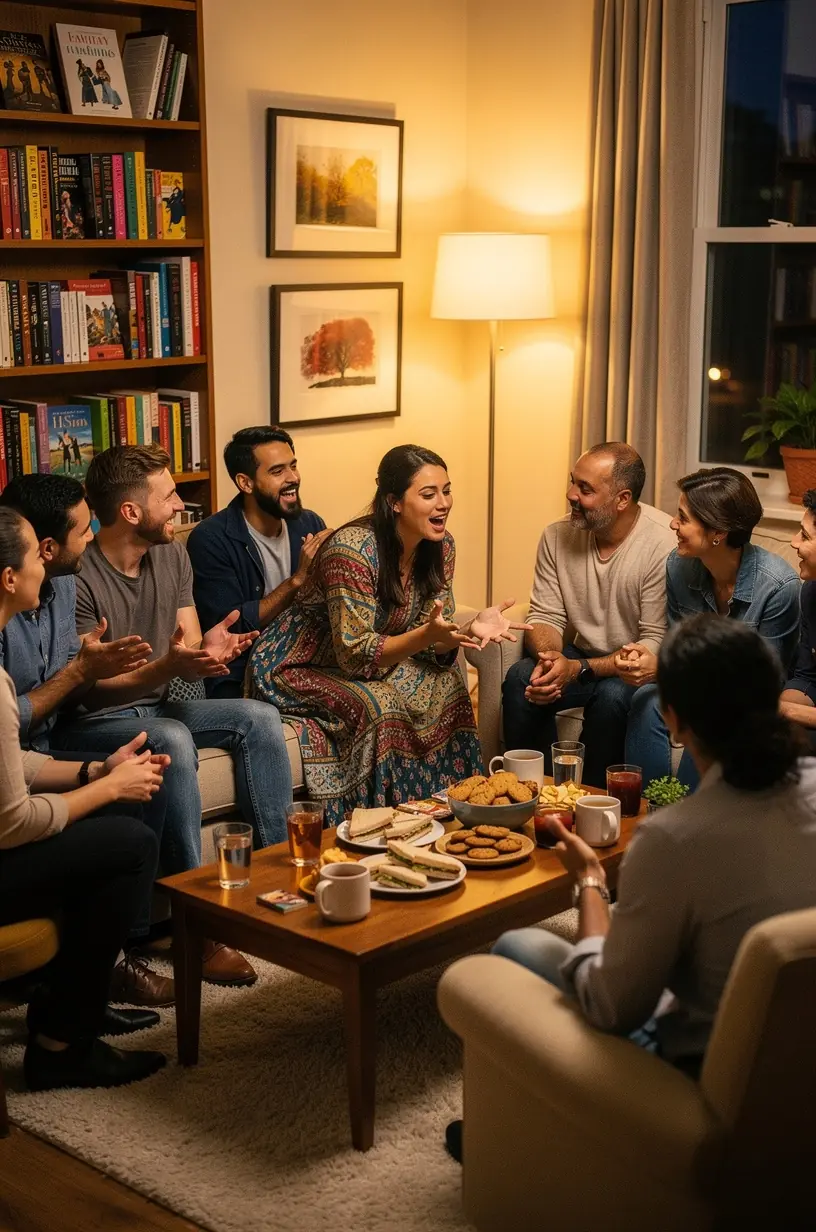
Cultural diversity refers to the variety of cultural or ethnic groups within a society. According to the United Nations Educational, Scientific and Cultural Organization (UNESCO), cultural diversity is essential for human development, well-being, and social cohesion. Neighborhood events, such as music sessions, game nights, and curated social activities, can significantly contribute to this diversity.
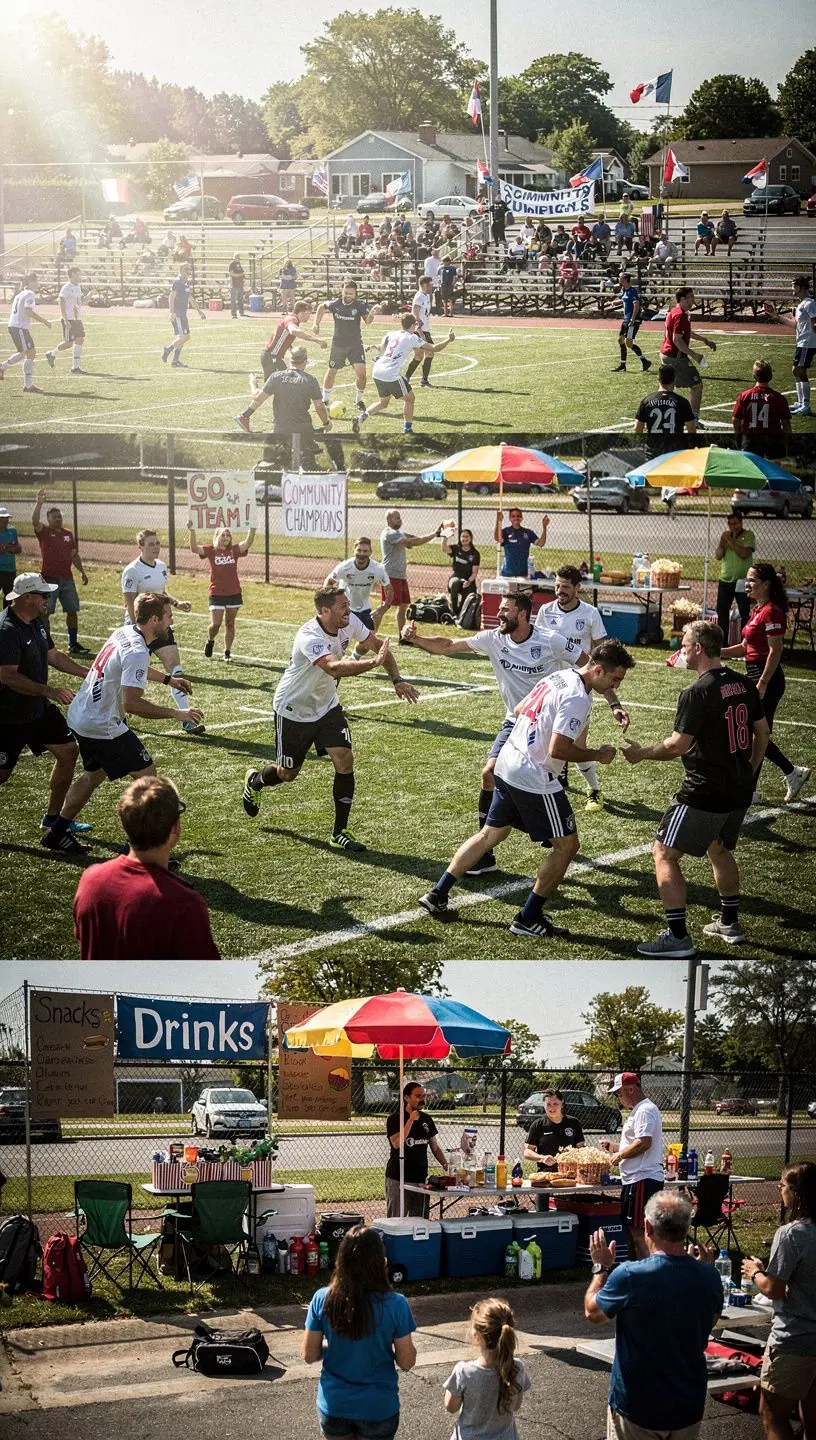
"Cultural events provide opportunities for individuals to learn about and appreciate the customs and traditions of others." - Local Cultural Expert
How Neighborhood Events Facilitate Cultural Exchange
Neighborhood events often create an environment where attendees can share their experiences and traditions. Here’s how:
- Interactive Learning: Many events include workshops or demonstrations where local artists and community members showcase their cultural practices. This hands-on experience allows participants to engage directly with different cultures.
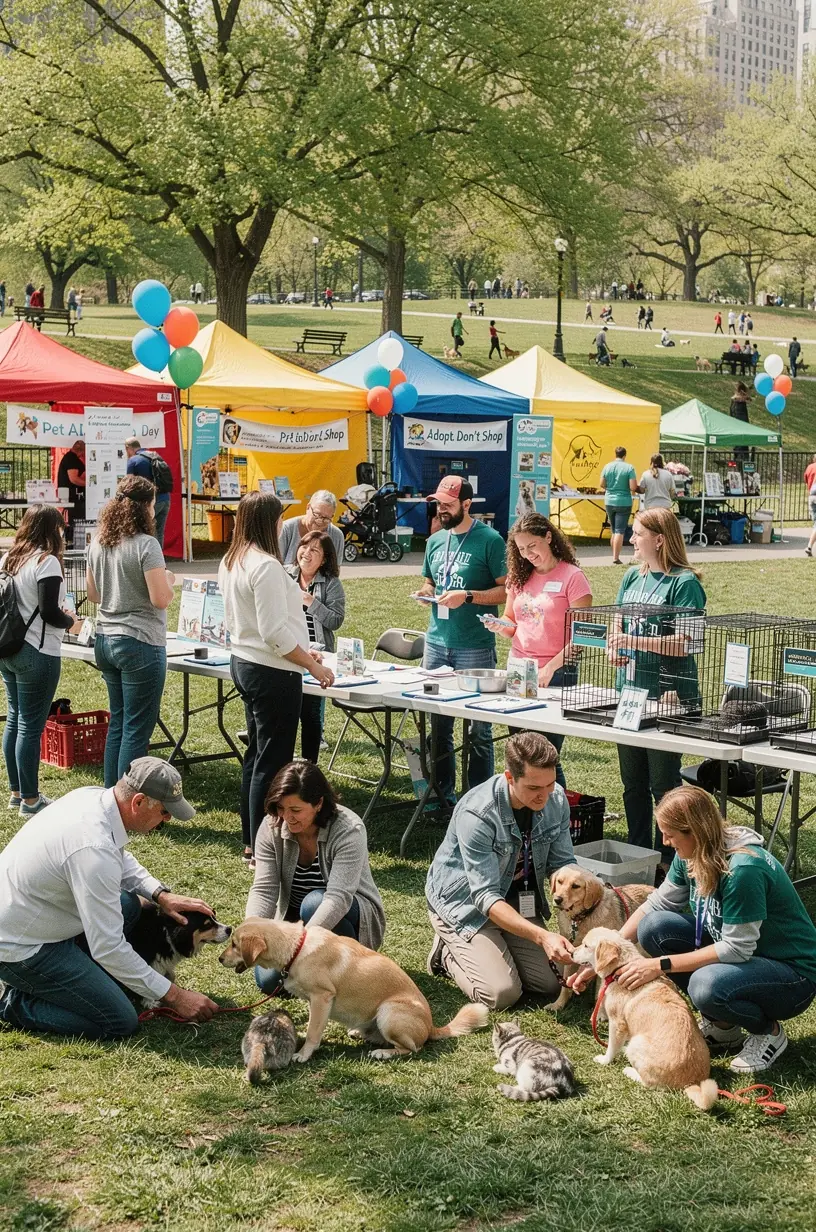
- Shared Spaces: Venues that host diverse events often serve as communal hubs where people from various backgrounds can meet. This interaction fosters understanding and appreciation for different lifestyles.
- Networking Opportunities: Events create a relaxed atmosphere for networking, enabling participants to connect with others who share similar interests or backgrounds, thereby building a sense of community.
The Role of Music and Arts in Cultural Understanding
Music and arts are universal languages that play a pivotal role in bridging cultural gaps. According to studies, participation in artistic activities can promote cognitive development and enhance social skills. Here’s how music and arts contribute to cultural understanding:
- Exposure to Variety: Regular music sessions often feature performances from different cultures, allowing attendees to experience new sounds and styles.
- Cultural Narratives: Artistic expressions often tell stories about a culture’s history, values, and struggles, helping to foster empathy and understanding.
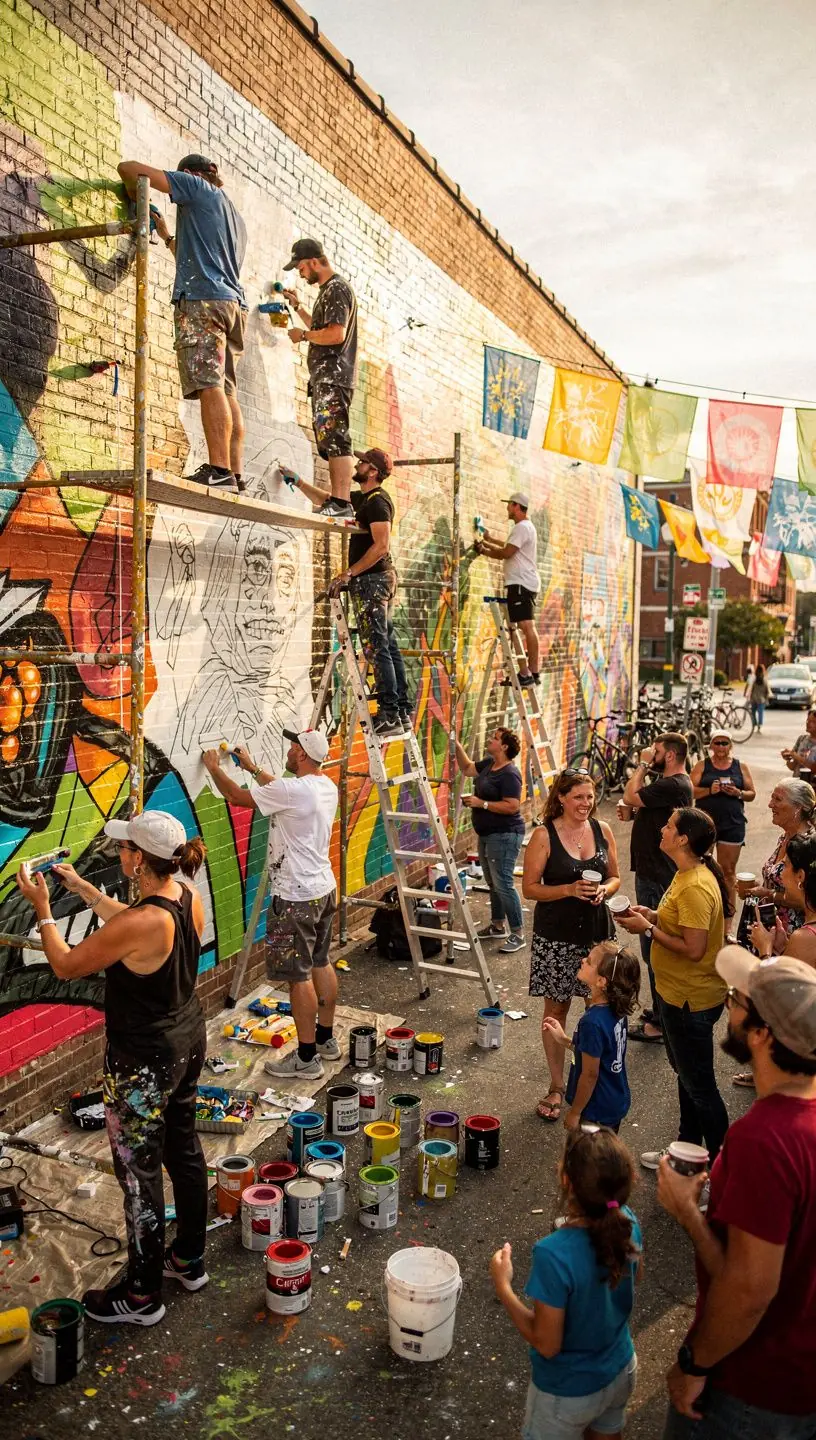
- Collaborative Projects: Community art projects encourage collaboration among individuals from diverse backgrounds, promoting teamwork and shared creativity.
Challenges and Considerations
While neighborhood events have the potential to promote cultural diversity, they also face challenges. Experts recommend that organizers consider the following:
- Accessibility: Ensure that events are accessible to everyone, regardless of age, ability, or socioeconomic status. This may involve providing transportation options or reducing fees for participants.
- Inclusivity: Events should reflect the diversity of the community. Organizers can achieve this by involving representatives from various cultural groups in the planning process.
- Sustainability: It’s important to create events that are not just one-off occurrences but part of an ongoing effort to celebrate and integrate cultural diversity.
Conclusion
Neighborhood events offer a unique opportunity to explore and celebrate cultural diversity. By engaging with various cultural practices through music, art, and social activities, participants can foster a sense of community and belonging. While there are challenges to consider, the benefits of these gatherings often outweigh the drawbacks, creating a richer, more inclusive society. Embracing diversity through neighborhood events can help pave the way for a more interconnected and understanding community.
Explore More