The Impact of Music on Local Community Engagement
Music has long been a cornerstone of community life, serving as a platform for social interaction and cultural exchange. In Las Vegas, where vibrant musical expressions are part of the local culture, engaging with music can significantly enhance community connection and participation.
Understanding the Basics of Music and Community
Research indicates that music can foster community engagement by creating shared experiences among residents. According to a study from The Journal of Community Psychology, groups that participate in musical activities often report higher levels of social cohesion and community spirit. This is particularly relevant in neighborhoods where diverse populations coexist, as music can bridge cultural gaps and promote inclusivity.

"Communities that engage in musical activities together often see a significant increase in social bonding and collective identity."
How Music Facilitates Engagement
There are several ways in which music can help enhance community engagement:
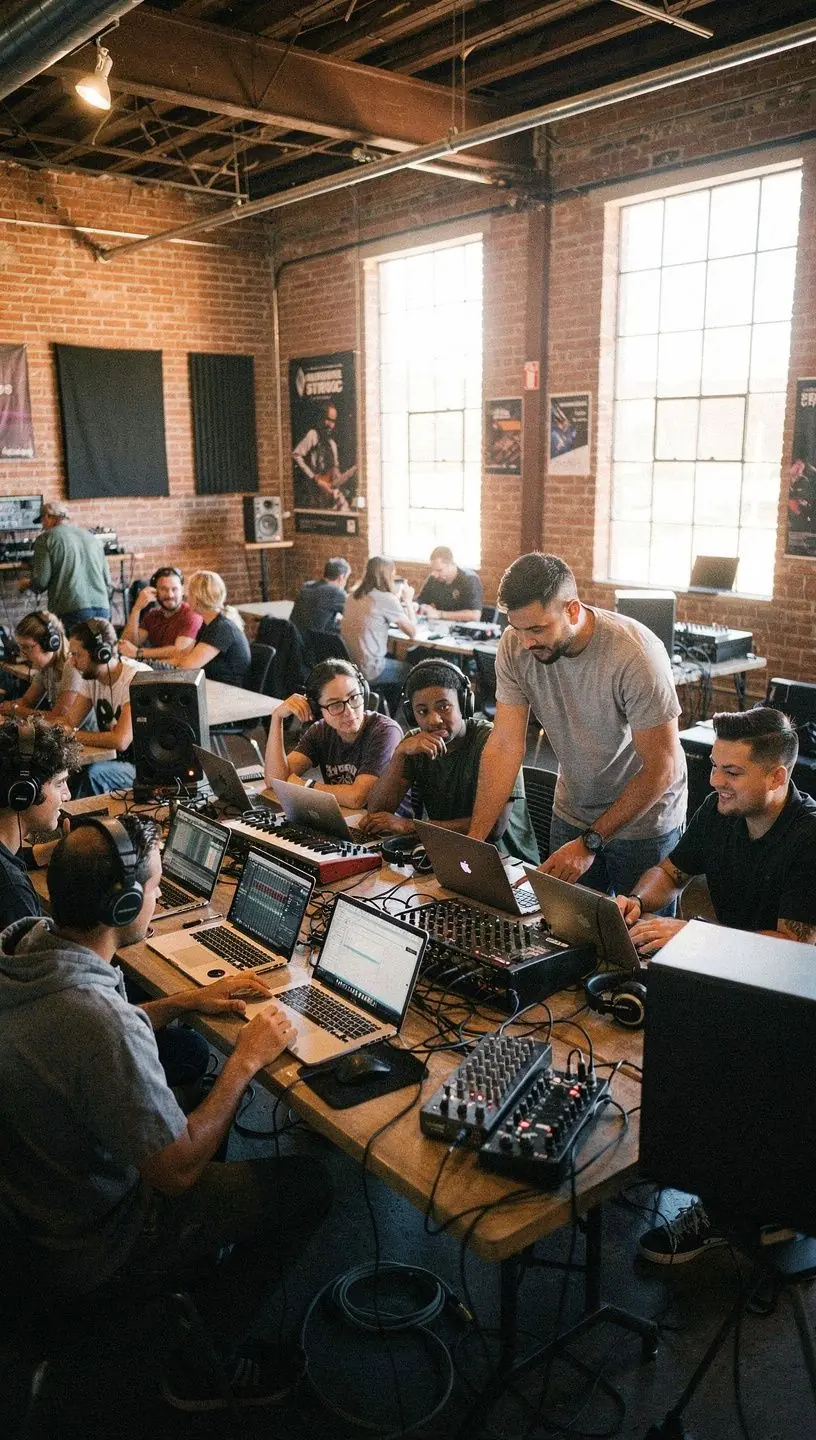
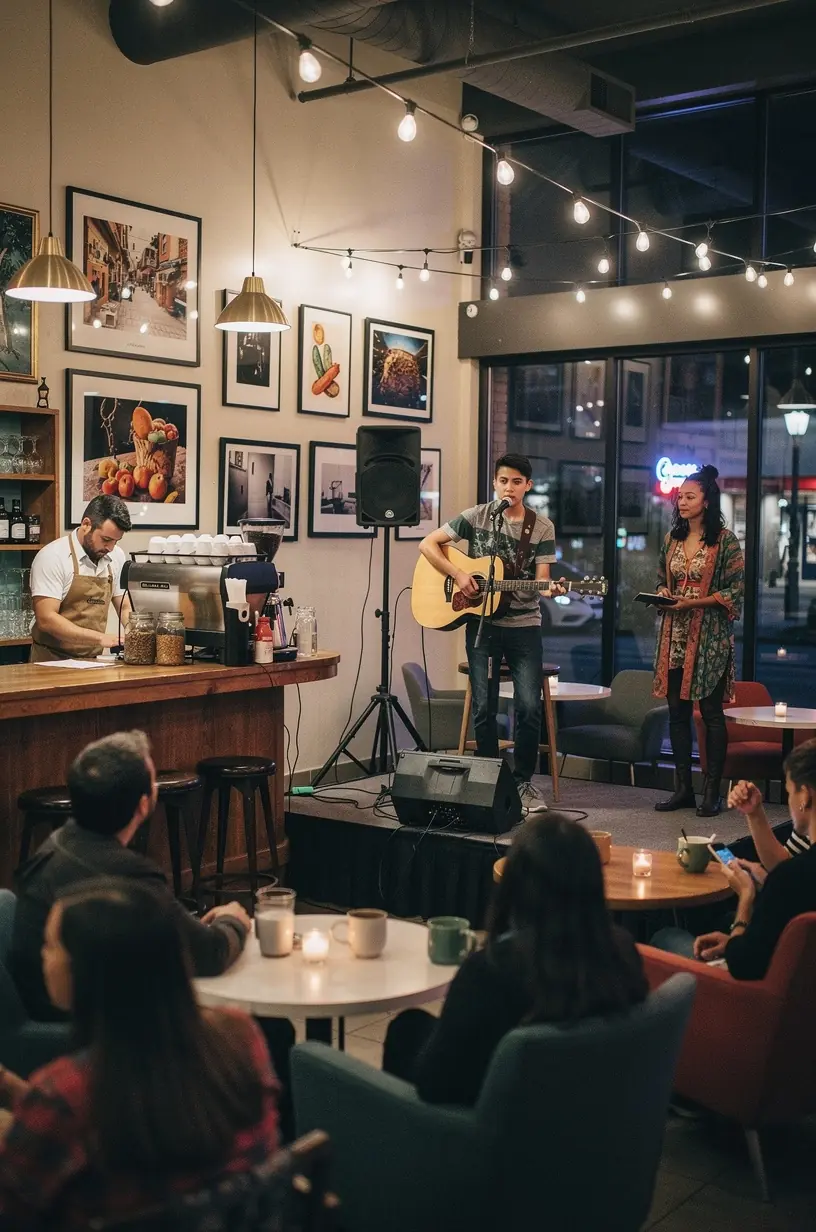
- Creating Shared Experiences: Community music events, such as concerts and jam sessions, allow individuals to come together and create lasting memories. According to experts in community development, shared experiences contribute to stronger relationships among residents.
- Encouraging Participation: Regular music sessions or game nights hosted in local venues provide opportunities for residents to engage actively with each other. Research shows that participation in such gatherings can lead to increased civic involvement and volunteerism.
- Providing a Platform for Expression: Music enables individuals to express their cultural identities and personal stories. Many users report that participating in community music projects allows them to feel valued and heard, thereby enhancing their sense of belonging.
Challenges and Considerations
While the impact of music on community engagement is often positive, there are limitations to consider:
- Organizing community music events typically requires significant time and effort. In most cases, planning involves coordination with local venues, musicians, and residents.
- Additionally, not all musical genres appeal to everyone. Therefore, it is essential to curate events that cater to the diverse tastes of the community to ensure widespread participation.
- Finally, establishing a consistent schedule for music events may require ongoing commitment and collaboration among community stakeholders.
Conclusion
Music has the potential to transform local communities by fostering connections and enhancing social engagement. By participating in music-related activities, residents can strengthen their ties, share their stories, and create a vibrant community atmosphere. While there are challenges in organizing these events, the benefits of improved community engagement often outweigh the efforts involved. Embracing music as a tool for connection can lead to a more integrated and harmonious local environment.
Explore More