Creating Inclusive Spaces for Neighborhood Activities
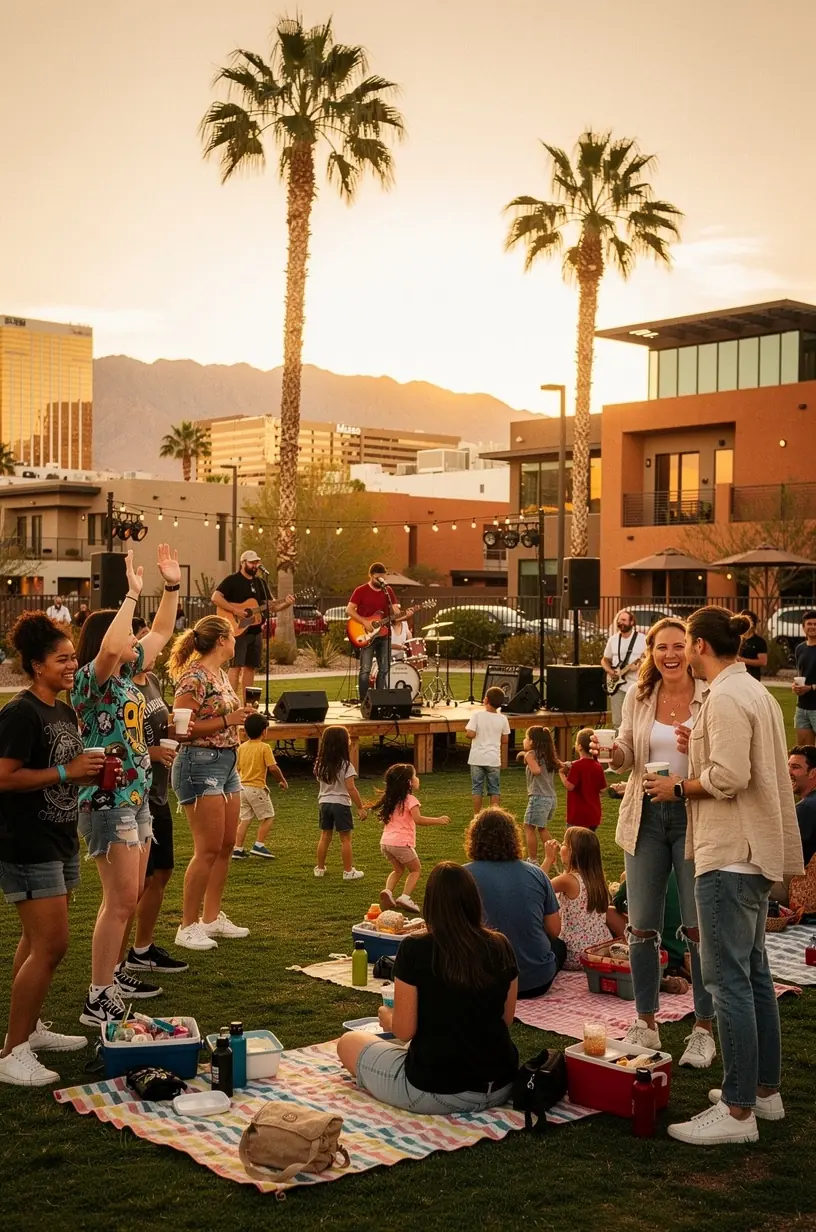
Inclusive community spaces are vital for fostering social connections and enhancing the quality of life in neighborhoods. This article explores how to create welcoming environments for various activities, from music sessions to game nights, tailored to the diverse needs of residents in Las Vegas.
Understanding the Importance of Inclusivity
Creating inclusive spaces is essential because it allows all community members to participate in and enjoy local activities. According to the National Endowment for the Arts, communities that engage in arts and cultural activities often see increased social cohesion and residents' well-being. This suggests that when people feel welcomed and valued, they may build stronger relationships within their neighborhoods.
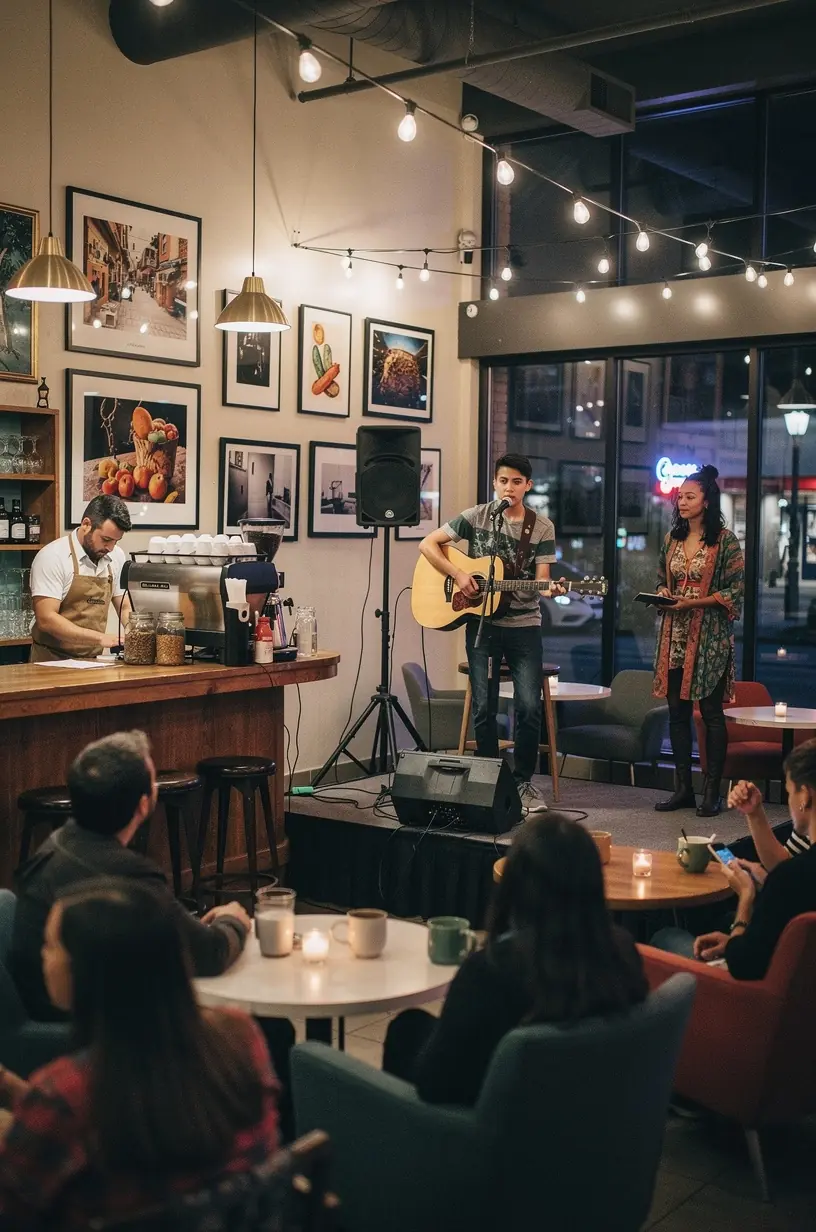
"Inclusive spaces can lead to higher community engagement and satisfaction, as diverse voices contribute to a richer social tapestry."
Key Principles for Designing Inclusive Activities
To cultivate inclusive environments, consider the following principles:
- Diversity and Representation: Ensure activities reflect the community's demographic diversity. Research shows that representation can improve participation rates and satisfaction.
- Accessibility: Activities should be accessible to everyone, including individuals with disabilities. This often involves physical accessibility, as well as providing materials in various formats, such as Braille or large print.
- Community Input: Engage stakeholders in the planning process. According to urban planning experts, soliciting feedback can help tailor events to better suit community preferences and needs.
Implementing Inclusive Practices
Here are some actionable steps to implement inclusive practices in your neighborhood activities:
- Conduct Surveys: Before planning events, gather feedback from community members about their interests and needs. This can typically take 2-4 weeks and involves creating simple, accessible surveys.
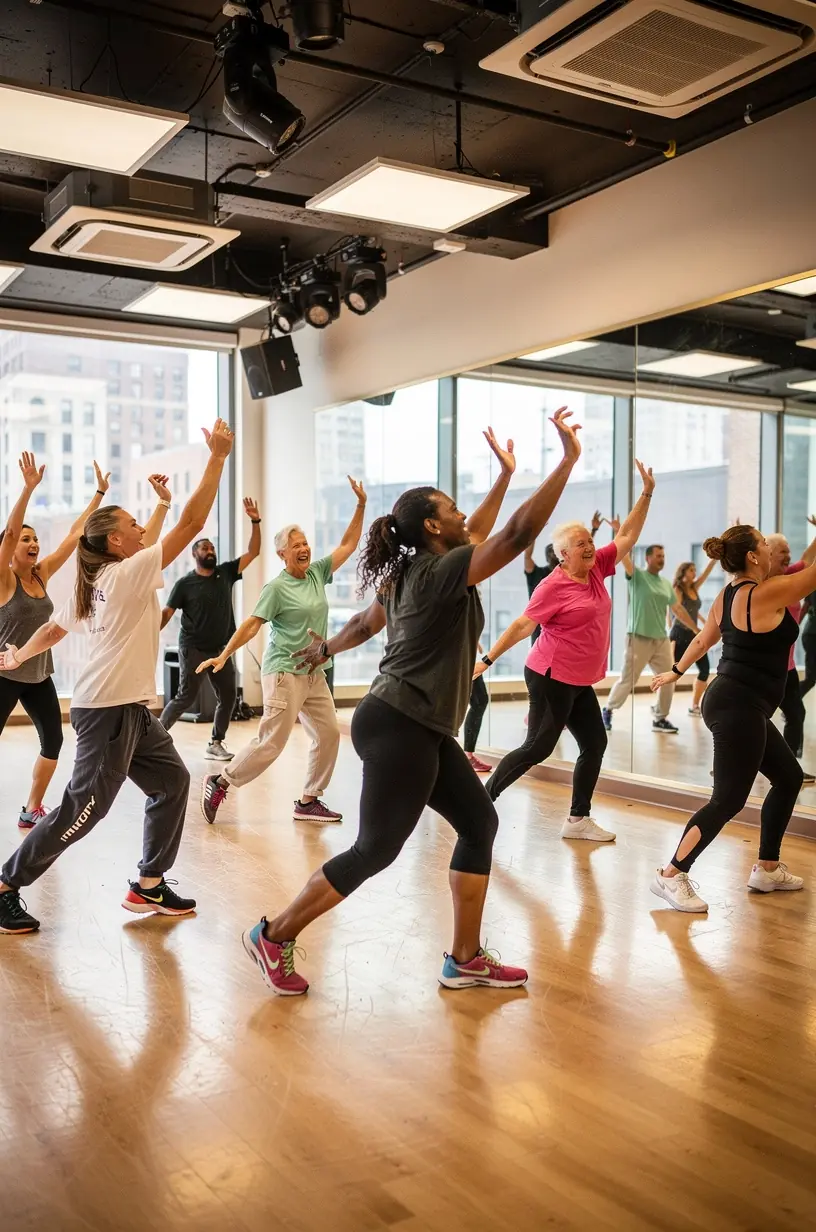
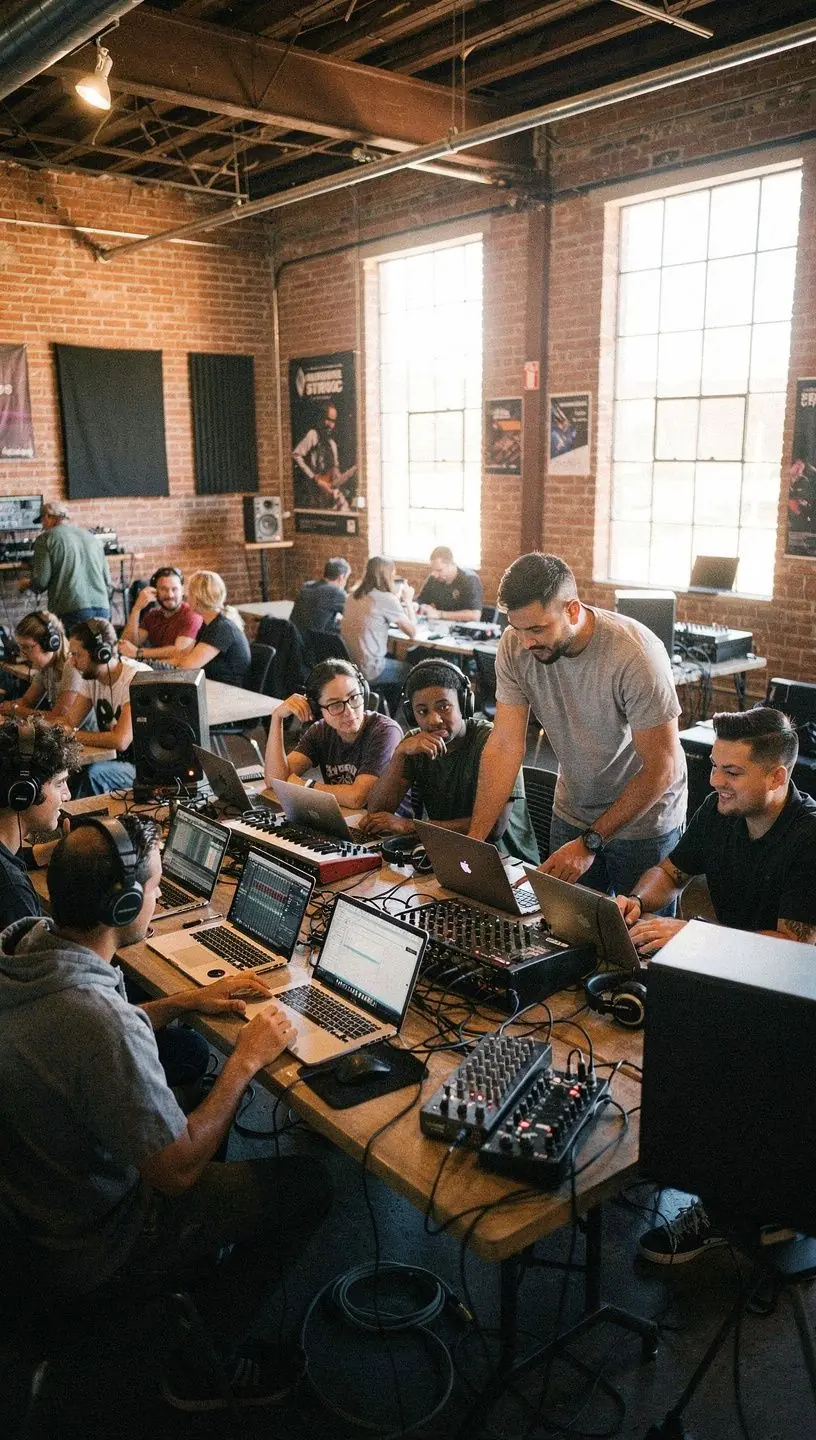
- Host Variety of Events: Offer a range of activities, such as music sessions, game nights, and educational workshops that cater to different interests and age groups. Variety can often attract broader participation.
- Train Volunteers: Provide training for volunteers or staff on inclusivity and cultural competency. Experts recommend that training should include strategies for engaging with diverse populations effectively.
Acknowledging Limitations and Challenges
While creating inclusive spaces is essential, it is crucial to acknowledge potential challenges. For instance, not all venues may have the necessary resources to implement accessibility features. Typically, enhancing physical spaces can involve significant time and financial commitments. Additionally, fostering inclusivity requires ongoing effort and dedication from all community members.
Conclusion
Creating inclusive spaces for neighborhood activities is an ongoing journey that benefits everyone involved. By adopting effective practices and remaining open to feedback, communities in Las Vegas can foster environments where all residents feel welcome and engaged. Remember, the goal is not just to host events but to build lasting connections that contribute positively to the social fabric of the neighborhood.
Explore More