Exploring the Benefits of Regular Music Sessions in Communities
Regular music sessions in community venues can foster a sense of belonging, enhance social cohesion, and improve mental health. This article examines the multifaceted benefits of these gatherings, supported by research and expert opinions.
Understanding the Impact of Music on Communities
According to research, music has a profound ability to bring people together. Community music sessions can help build social networks and develop a sense of community spirit. Studies show that engaging with music, whether as a participant or an audience member, can create shared experiences that foster connections among individuals.
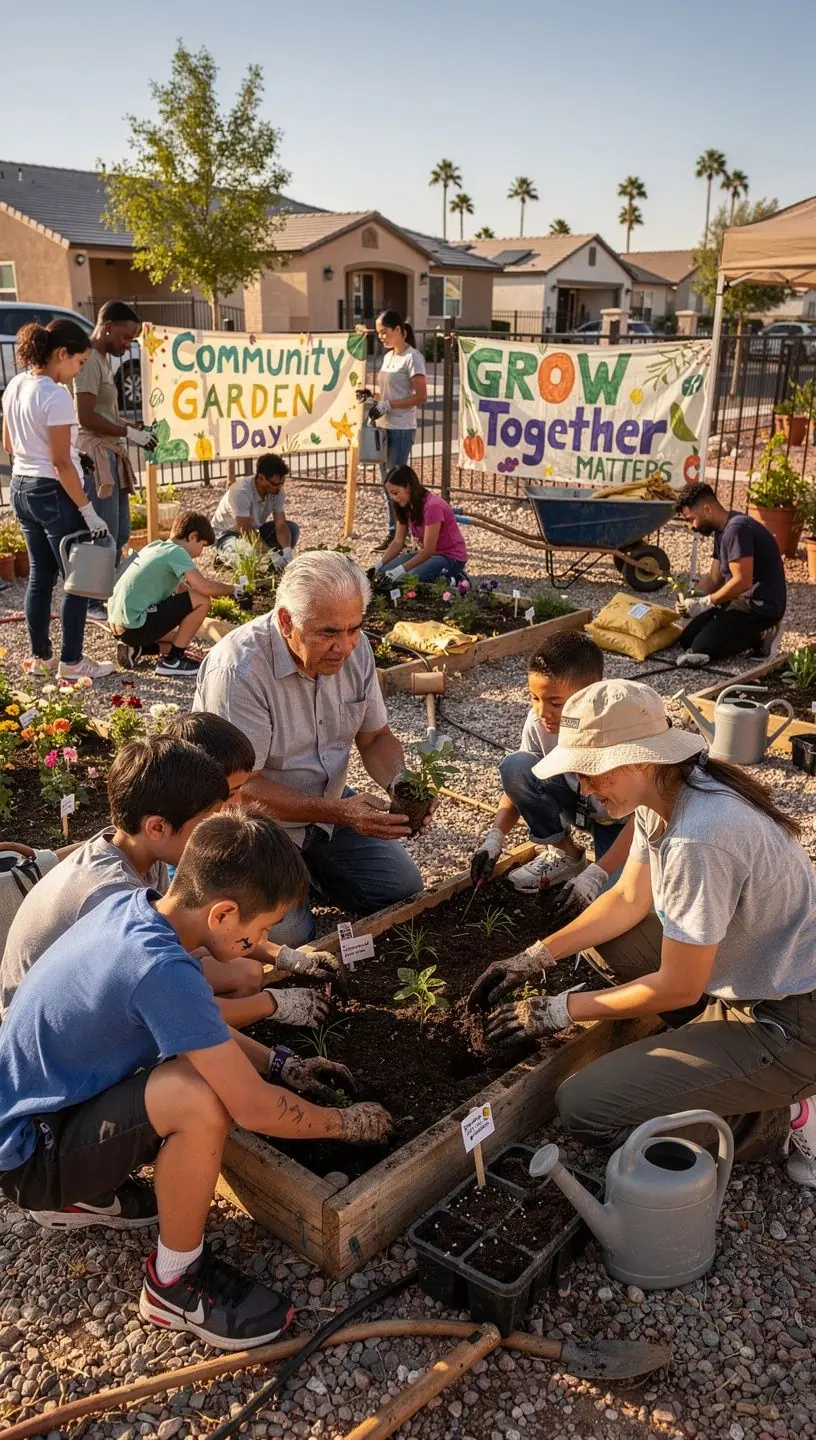
"Community music programs have been shown to enhance social ties and improve mental well-being among participants," says Dr. Sarah Thompson, a music psychologist.
Benefits of Regular Music Sessions
Hosting regular music sessions can yield various benefits for communities, including:
- Enhanced Social Connections: Many users report that music events create opportunities for new friendships and strengthen existing relationships.
- Improved Mental Health: Research indicates that participating in music activities can reduce feelings of isolation and anxiety. Engaging with music may also boost mood and improve overall well-being.
- Skill Development: Regular participation in music sessions can enhance musical skills, which can be beneficial for personal development and community engagement.
The Methodology Behind Music Engagement
Experts recommend that music sessions be structured to accommodate various skill levels, allowing both novice and experienced individuals to participate comfortably. This typically involves:
- Facilitated Sessions: Having a knowledgeable facilitator can guide participants, ensuring everyone feels included.
- Variety of Activities: Including different forms of music engagement, such as singing, playing instruments, and movement, can cater to diverse preferences.
- Community Involvement: Encouraging local talent to lead sessions can foster a sense of ownership and pride within the community.
Challenges and Considerations
While the benefits of music sessions are significant, it is important to acknowledge some limitations:
- Time Commitment: Regular participation requires a commitment, typically needing at least a few hours each week for meaningful engagement.
- Learning Curve: Individuals may face challenges if they are new to music, which can discourage participation. It's crucial to provide supportive environments where learning is encouraged.
- Contextual Preferences: Not all musical styles may resonate with every community, so it’s important to cater to local tastes and preferences.
Conclusion
Regular music sessions can significantly benefit communities by fostering social connections, enhancing mental well-being, and promoting skill development. By understanding the structure, benefits, and potential challenges of these gatherings, communities can create enriching experiences that celebrate music and togetherness. Engaging with local music initiatives may take time and effort, but the rewards can lead to stronger, healthier communities.